MICROBIAL ALLIES: HARNESSING BACTERIA IN THE FIGHT AGAINST CANCER
DOI:
https://doi.org/10.71146/kjmr627Keywords:
Cancer, , Clostridium , Bacteria , Immunotherapy, SalmonellaAbstract
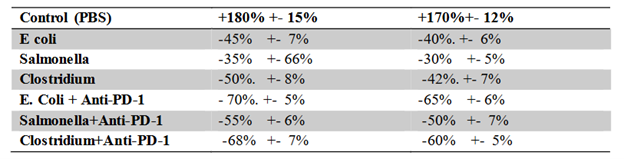
Cancer remains a leading cause of global mortality, and despite advances in chemotherapy, radiotherapy, and immunotherapy. The therapeutic resistance and tumor recurrence continue to limit treatment success. Recent innovations in microbiology and synthetic biology have reinvigorated interest in bacteria as potential allies in oncology. In this study, three bacterial strain were evaluated as engineered Escherichia coli, attenuated Salmonella typhimurium, and spore-forming Clostridium novyi-NT—as experimental therapeutic agents against murine models of breast (4T1) and colorectal (CT26) cancers. The strains were engineered or attenuated to enhance tumor specificity and minimize systemic toxicity. Tumor-bearing mice were randomized into treatment groups receiving bacterial monotherapy, combination with checkpoint inhibitors, or controls. The results showed that all bacterial strains preferentially colonized hypoxic tumor regions and reduced tumor volumes, thereby prolonged survival compared to controls, with E. coli were achieved the most pronounced synergistic effect when combined with anti-PD-1 therapy. Immune profiling revealed significant infiltration of CD8+ T cells, NK cells, and activated macrophages in treated tumors, indicating strong immunostimulatory effects. While Clostridium showed rapid tumor necrosis, in which the toxicity management remained a challenge. In overall, this study demonstrates the therapeutic potential of harnessing bacteria in cancer treatment and highlights the need for strain-specific optimization to maximize efficacy and minimize risks.
Downloads
Downloads
Published
Issue
Section
License
Copyright (c) 2025 Marwana Magaji, Markcen Fidelis Paul , Mubarak Musa Bodinga (Author)

This work is licensed under a Creative Commons Attribution 4.0 International License.
How to Cite