PREVALENCE & ASSOCIATION OF COGNITIVE DYSFUNCTION WITHCERVICAL DYSTONIA: A CROSS-SECTIONAL STUDY
DOI:
https://doi.org/10.71146/kjmr854Keywords:
Cervical Dystonia Primary, Cognitive Dysfunction, Torticollis, Basal GangliaAbstract
Background: Cervical dystonia (CD) is a chronic neurological movement disorder characterized by involuntary contractions of the neck muscles, resulting in abnormal head postures and movements. While motor manifestations are well recognized, non-motor symptoms (particularly cognitive dysfunction) remain underexplored. Cognitive impairment may substantially affect daily functioning, social interaction, and overall quality of life in individuals with CD, highlighting the need for comprehensive evaluation.
Objective: The objective of this study is to determine the prevalence and association of cognitive dysfunction in people with cervical dystonia.
Methodology: A cross-sectional study was conducted among 73 patients diagnosed with cervical dystonia in Karachi, Pakistan. Cognitive function was assessed using the Mini-Mental State Examination (MMSE), and motor symptom severity was evaluated using the Toronto Western Spasmodic Torticollis Rating Scale (TWSTRS). Descriptive statistics were calculated, and inferential analysis using the Pearson chi-square test was performed to assess associations between cognitive impairment and disease severity, age, and gender. A p-value < 0.05 was considered statistically significant.
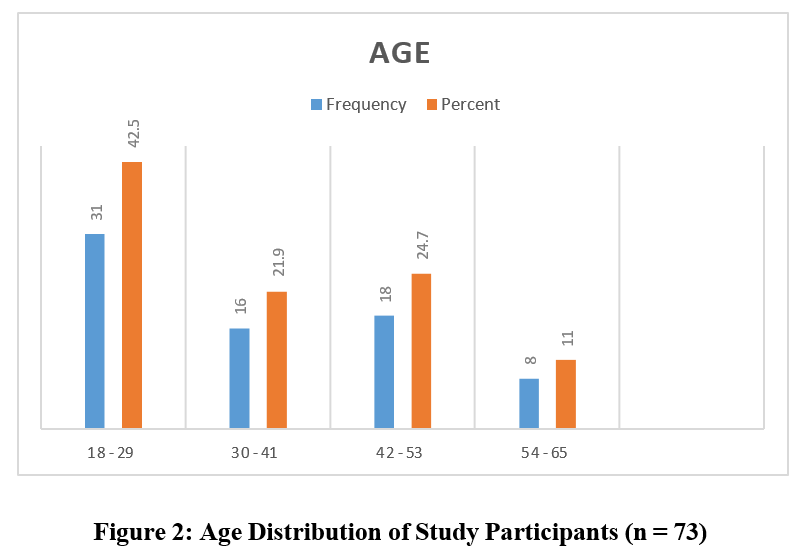
Result: A total of 73 participants (36 males and 37 females) were included, with the majority aged 18–29 years (42.5%). Based on TWSTRS, moderate cervical dystonia was most prevalent (63.0%), followed by severe (23.3%) and mild (13.7%). MMSE results showed mild cognitive impairment in 38.4% of participants, severe impairment in 31.5%, and no impairment in 30.1%. Statistical analysis demonstrated a significant association between cognitive function and dystonia severity (χ² = 63.216, p < 0.001) as well as age (p = 0.023), whereas no significant associations were observed with gender (p = 0.704)
Conclusion: Cognitive impairment is highly prevalent among patients with cervical dystonia and is significantly associated with both age and disease severity. These findings underscore the importance of incorporating cognitive assessment into routine clinical evaluation and adopting a multidisciplinary approach that addresses both motor and non-motor manifestations of cervical dystonia.
Downloads
Downloads
Published
License
Copyright (c) 2026 Aliza Qureshi , Dr Khadija Usman, Dr Okasha Anjum (Author)

This work is licensed under a Creative Commons Attribution 4.0 International License.
How to Cite